Wildlife

Coyotes
February 2, 2018

Coyotes

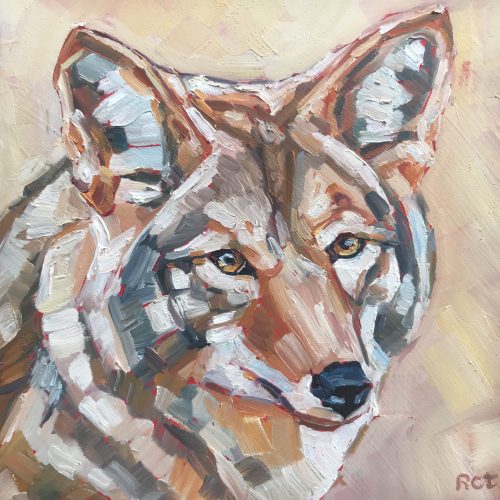
Coyotes play a crucial role in maintaining a healthy ecosystem by keeping lesser prey populations in check. Coyotes are gregarious, social animals—they travel in packs and often mate for life. Sadly, coyotes are one of the most commonly targeted animals by Wildlife Services, which kills tens-of-thousands each year at the behest of livestock ranchers. Modern […]

Wild Salmon and Steelhead
February 2, 2018

Wild Salmon and Steelhead

Wild salmon and steelhead once filled Pacific Northwest streams as they migrated from the ocean to their spawning grounds in the Columbia River Basin—some traveling as far as 900-miles up the Snake and Salmon Rivers to Idaho’s Redfish Lake and Sawtooth Valley to spawn. Decimated by dams, water withdrawals, and other human impacts, these wild fish […]

Grey Wolves
February 2, 2018

Grey Wolves

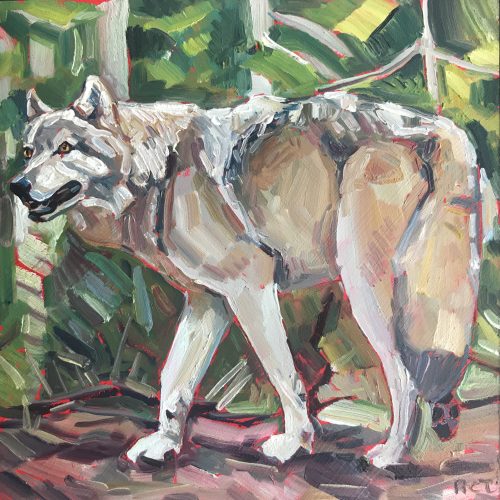
Native to the Northern Rockies, the grey wolf is one of North America’s most important predators.  By the 1930s wolves were almost entirely killed off in the West. It wasn’t until successful reintroduction efforts in the 1990s that balance was restored to the Rocky Mountain ecosystem. Their incredible comeback is one of our country’s greatest […]

Bighorn Sheep
February 2, 2018

Bighorn Sheep

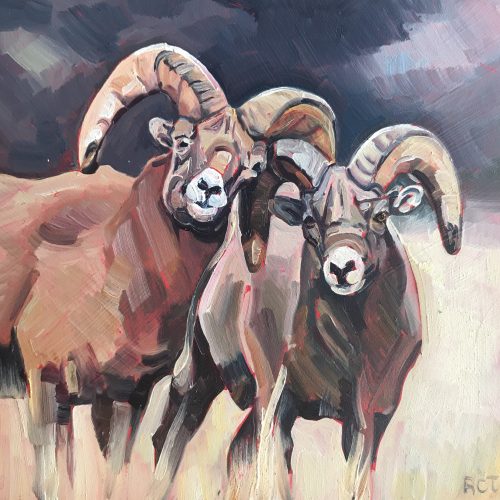
Bighorn sheep are an icon of the American West—legendary for their strength and agility. At their peak, more than 2 million bighorn sheep roamed the West. Today, there are estimated to be less than 70,000. Biologists have recently established that bighorn population crashes are often caused by contact with domestic sheep grazing on public lands. […]

Sage-Grouse
February 2, 2018

Sage-Grouse

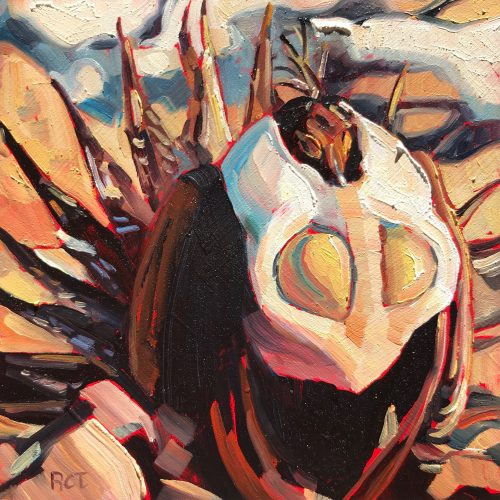
Sage-grouse are the animated ambassadors of the Sagebrush Sea—the vast, high desert ecosystem that supports an estimated 350 species of native fish, wildlife and plant species in the West. The Sagebrush Sea is considered one of the most imperiled ecosystems in North America. Sage-grouse is an “indicator” species for the high desert of the American […]